Media & Blog
Why 1 in 3 Clothing Returns Happen And How to Avoid It
Why 1 in 3 Clothing Returns Happen And How to Avoid It
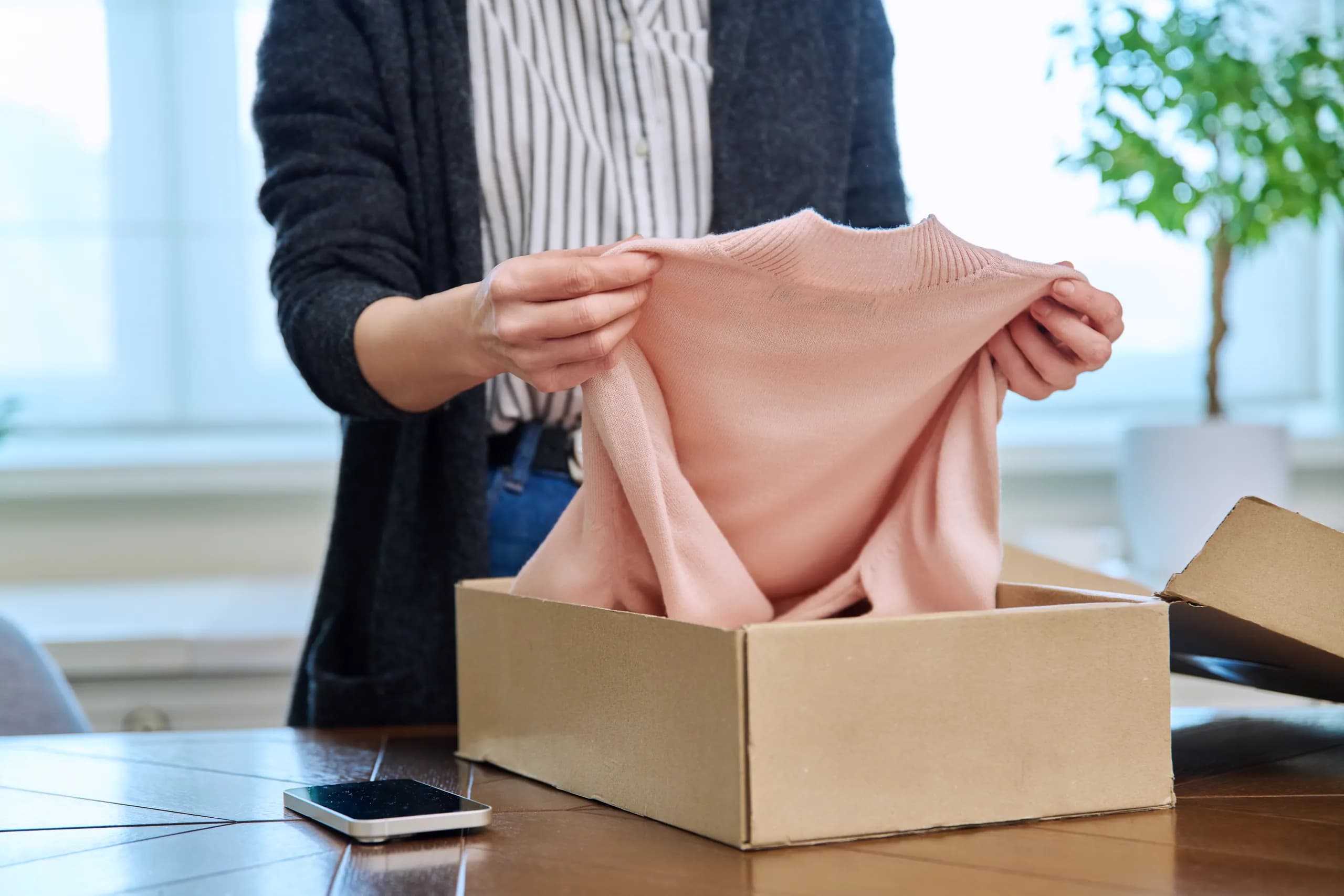
Clothing returns have become a major challenge in modern fashion retail. Research consistently shows that around one in three apparel purchases are returned, with poor fit being the leading cause. While online shopping has made fashion more accessible, it has also introduced a disconnect between how garments look on screen and how they actually fit in real life.
Understanding why returns happen is the first step toward reducing them.
The primary reason: poor fit
Fit is responsible for the largest share of returns, often accounting for over 40 percent. Standard sizing systems are inconsistent across brands, and even within the same brand, cuts and fabrics can vary significantly. This leaves customers guessing their size, often ordering multiple options and returning what doesn’t work.
Beyond inconvenience, this creates a cycle of frustration. Customers lose confidence in sizing, while brands absorb the cost of shipping, processing, and lost inventory value.
Other key factors behind returns
While fit is the dominant issue, it is not the only one. Style mismatch, quality expectations, and inaccurate product representation also contribute. Customers may receive a garment that technically fits but doesn’t feel right in terms of fabric, structure, or overall look.
Fabric plays a bigger role than most people realise. The same cut can feel completely different depending on material weight, stretch, and breathability. Without experiencing the garment in person, it becomes difficult to predict comfort and wearability.
The hidden cost of returns
Returns are not just a logistical problem. They carry a significant environmental and financial impact. The fashion industry already produces millions of tonnes of waste annually, and returned items often cannot be resold at full value. Many are discounted heavily or never re-enter the supply chain at all.
For consumers, the cost is less visible but equally important. Time spent ordering, trying, and returning items adds friction to what should be a seamless experience.
How to avoid clothing returns
The most effective way to reduce returns is to eliminate guesswork.
1. Prioritise accurate measurements
Understanding your body measurements is more reliable than relying on generic sizes. Even small differences in shoulder width, sleeve length, or waist placement can change how a garment sits.
2. Work with a personal stylist
A personal stylist can translate your preferences, body shape, and lifestyle into clothing choices that actually work. Instead of trial and error, decisions are guided by expertise and context.
3. Focus on fabric, not just design
Choosing the right material for your skin and environment improves comfort and wearability. Breathability, texture, and durability all influence whether a piece becomes a regular part of your wardrobe.
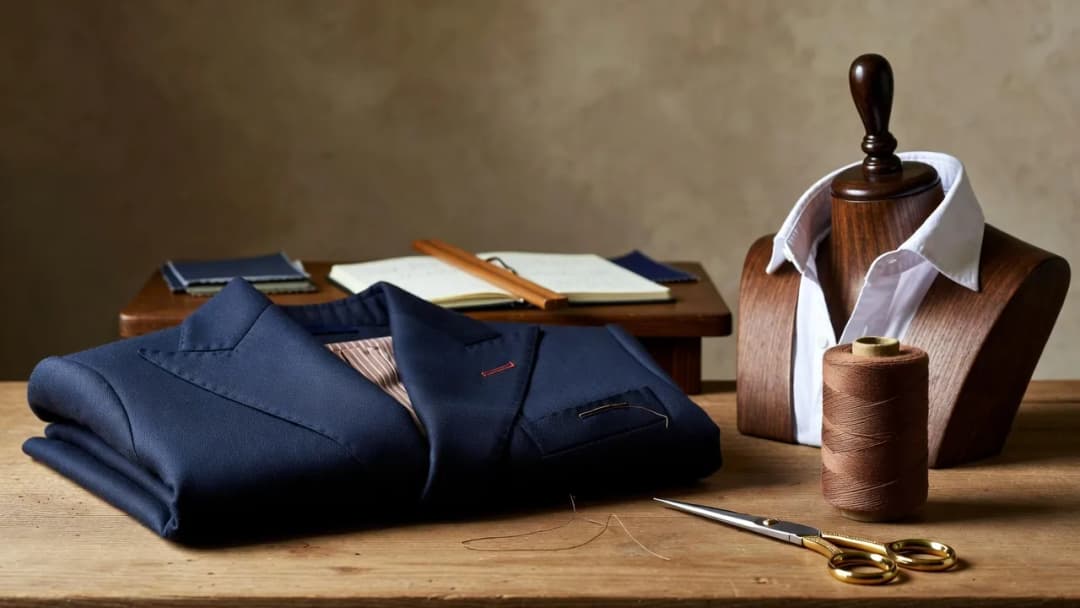
4. Choose made-to-measure over standard sizing
Made to measure clothing in Australia is gaining traction for a reason. Garments created specifically for your body remove the uncertainty of sizing and significantly reduce the likelihood of returns.
5. Think long-term, not transactional
Instead of buying for a single occasion, focus on pieces that integrate into your existing wardrobe. This reduces impulse purchases that are more likely to be returned.
A shift toward better fashion experiences
The high rate of clothing returns highlights a deeper issue in fashion: a system built on standardisation in a world of individual differences. As more consumers look for better fit, better quality, and more personalised experiences, the industry is beginning to shift.
Fittora sits within this shift, focusing on made-to-measure garments, guided styling, and fabric selection tailored to the individual. By addressing the root causes of returns, the goal is not just fewer returns, but better clothing decisions from the start.
Reducing returns is ultimately about alignment. When clothing is designed with the individual in mind, it fits better, feels better, and stays in the wardrobe longer.