Media & Blog
Best Natural Fabrics for Women With Sensitive Skin
Best Natural Fabrics for Women With Sensitive Skin
The best natural fabrics for women with sensitive skin are organic cotton, silk, regenerated banana fibre fabric, bamboo fabric, aloe vera fabric, and linen. These materials are breathable, gentle on the skin, and less likely to cause irritation compared to synthetic fabrics. Choosing high-quality, luxury natural fabrics further reduces friction, overheating, and skin sensitivity issues.
Sensitive skin is not just about skincare products. What touches your skin for 8–12 hours daily matters just as much. Fabric texture, breathability, moisture absorption, and chemical processing all play a role in how your skin reacts.
Women with sensitive skin often experience redness, itching, or discomfort from synthetic blends. The solution lies in understanding fabric composition and opting for materials that work with your skin, not against it.
Why Fabric Choice Matters for Sensitive Skin
Sensitive skin reacts to:
- Heat and trapped moisture
- Rough fiber texture
- Chemical dyes and finishes
- Tight or poorly structured garments
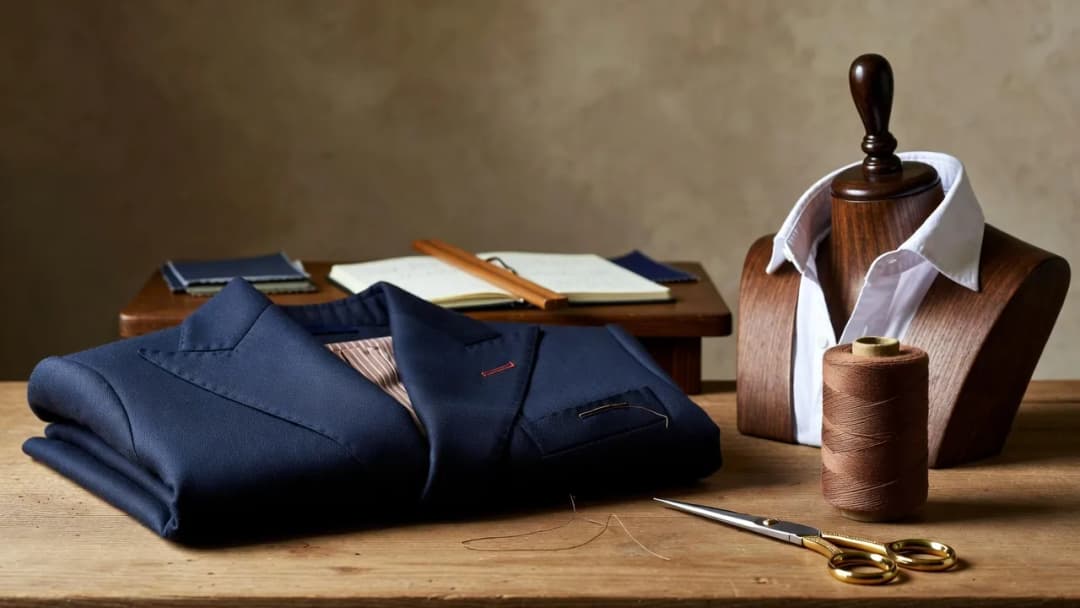
Natural fibers allow airflow, regulate temperature, and reduce friction. When combined with made to measure clothing, the risk of irritation drops even further because the garment fits properly, without pulling, rubbing, or overheating.
Best Natural Fabrics for Sensitive Skin
1. Organic Cotton
Why it works:
- Soft and breathable
- Hypoallergenic
- Absorbs moisture without trapping heat
Organic cotton is processed with fewer chemicals than conventional cotton, making it ideal for reactive skin. A well-structured cotton dress styled by a luxury personal stylist can offer both comfort and elegance.
Example: A tailored organic cotton shirt for work that stays breathable during long meetings.
2. Linen
Why it works:
- Naturally antibacterial
- Excellent airflow
- Lightweight and cooling
Linen is perfect for women prone to heat-triggered irritation. Its loose weave allows ventilation, making it ideal for warm climates.
Example: A made-to-measure linen co-ord set that prevents underarm irritation during summer.
3. Silk
Why it works:
- Ultra-smooth texture
- Reduces friction
- Naturally temperature regulating
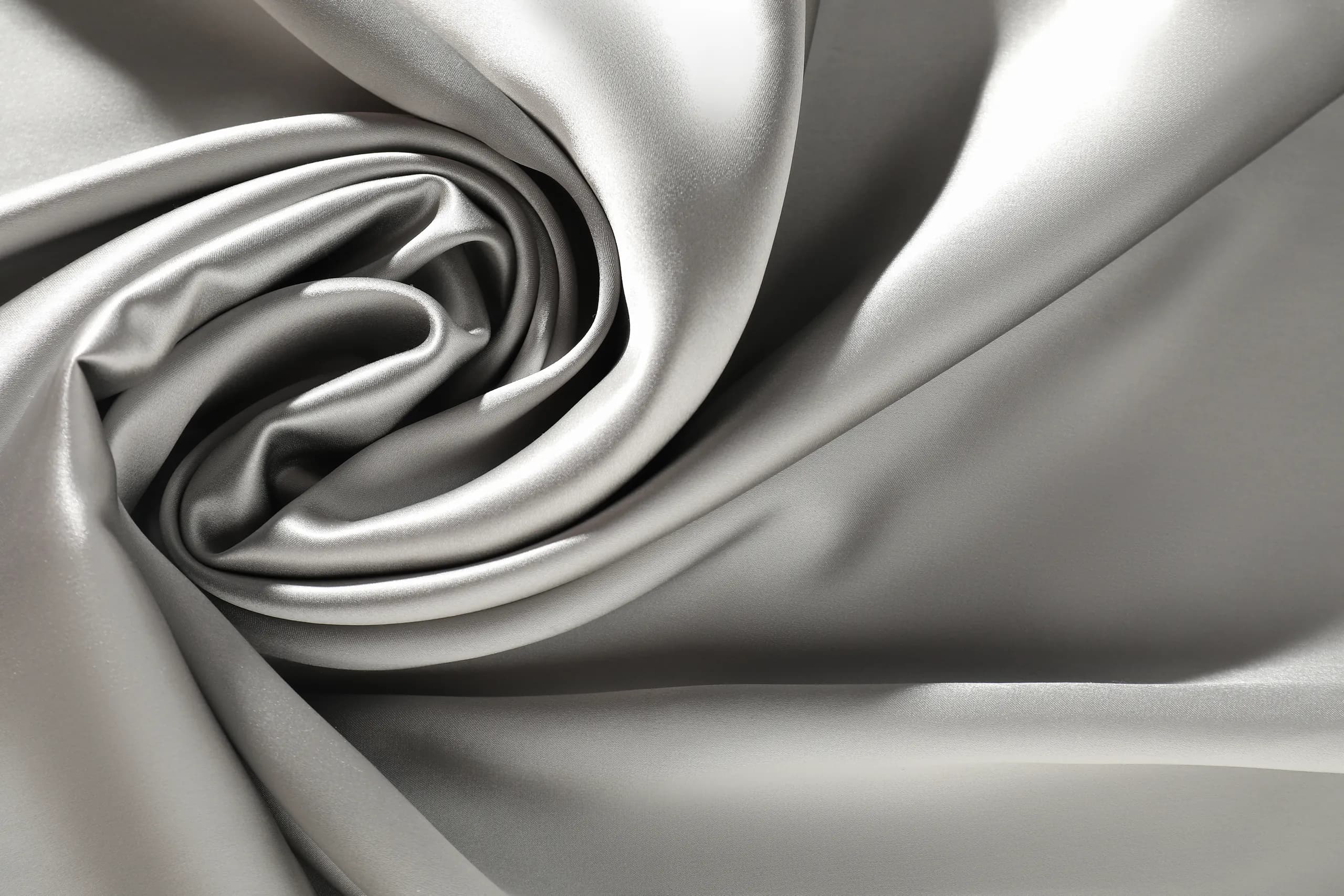
High-quality silk, especially in luxury natural fabrics collections, minimizes rubbing against delicate skin.
Example: A silk lining inside a structured blazer to prevent inner arm irritation.
4. Bamboo Fabric
Why it works:
- Soft and breathable
- Moisture-wicking
- Naturally odor-resistant
Bamboo blends are especially helpful for women with both sensitivity and dryness.
5. Regenerated Banana Fibre Fabric
Why it works:
- Eco-Friendly & Sustainable
- Breathable & Comfortable
- Antibacterial & Skin-Friendly
Banana fibre fabric is derived from upcycled banana plant stems, transforming natural agricultural waste into a refined, sustainable luxury textile. It feels beautifully smooth with a soft, silk-like drape while remaining breathable and lightweight against the skin. Naturally gentle, antibacterial, and biodegradable, it offers an elegant, eco-conscious alternative to traditional luxury fabrics.
Example: A tailored banana fibre summer dress that feels airy and prevents heat rashes during humid days.
6. Aloe Vera Fabric
Why it works:
- Naturally soothing to skin
- Anti-inflammatory properties
- Soft and hydrating feel
Organic aloe vera–infused fabric is designed to calm sensitive skin while maintaining breathability. Infused with aloe vera properties, this fabric feels exceptionally soft, soothing, and kind to delicate skin. Its silky touch and fluid drape create a luxurious wearing experience, while the natural aloe finish helps maintain freshness and comfort throughout the day, blending wellness with refined style.
Example: A made-to-measure aloe vera fabric inner top worn under structured outfits to keep skin calm throughout long workdays.
The Importance of Fit
Even the best fabric can irritate if the garment doesn’t fit properly. That’s where made to measure clothing becomes valuable. A precise fit reduces friction points around the neckline, waist, and underarms.
Brands like fittora focus on fabric selection combined with body measurements, ensuring the garment complements both skin and silhouette.
Tips When Choosing Fabric
- Look for minimal chemical processing
- Choose lighter weaves for breathability
- Avoid heavy synthetic blends
- Prioritize comfort over trend
- Consult a luxury personal stylist for skin-friendly wardrobe planning
Final Thoughts
Choosing the right fabric is a long-term investment in both comfort and confidence. Luxury natural fabrics offer more than aesthetic appeal, they provide skin support throughout the day.
For retailers and fashion brands, understanding the growing demand for skin-conscious fashion can open new product opportunities. Inventory planning tools like Merchmix help brands forecast demand for premium, sensitive-skin-friendly collections without overstocking.
FAQs
1. What fabric is best for extremely sensitive skin?
Organic cotton and high-quality silk are typically the safest choices due to their softness and low irritation risk.
2. Is linen good for sensitive skin?
Yes. Linen is breathable and cooling, which helps reduce heat-triggered irritation.
3. Why does synthetic fabric irritate skin?
Synthetic materials trap heat and moisture, increasing friction and sensitivity.
4. Does made to measure clothing help sensitive skin?
Yes. Proper fit reduces rubbing and pressure points, minimizing irritation.
5. Are luxury natural fabrics worth the investment?
They often last longer, feel softer, and undergo better processing, making them a worthwhile option for sensitive skin.